
4/15/2026
Supporting Mental Wellbeing Holistically: How P&G Helps Employees Thrive

How empathy, flexibility and open conversations create a workplace where everyone can find hope and healing.
Most people have moments when they’re carrying more than they let on. It might be stress, grief, a transition or the quiet pressure of trying to manage life. It’s part of being human, and it’s why mental wellbeing matters every day.
At P&G, mental wellbeing support is approached holistically. It sits alongside physical health, financial wellbeing and work-life balance, because each affects the others. The goal is to make it easier for people to speak up, reach out and get the right resources when they need them.
Many employees describe P&G’s deep commitment to mental wellbeing as making a meaningful difference in their lives. Here are three of their stories.
Navigating the Hardest Moments
Donovan, West Coast Mixing Center, U.S.
When Donovan received an invite to celebrate his best friend Justin's birthday with a dinner in Los Angeles, he considered not going. He had to work the next morning and was torn between supporting his friend and still meeting his work obligations.
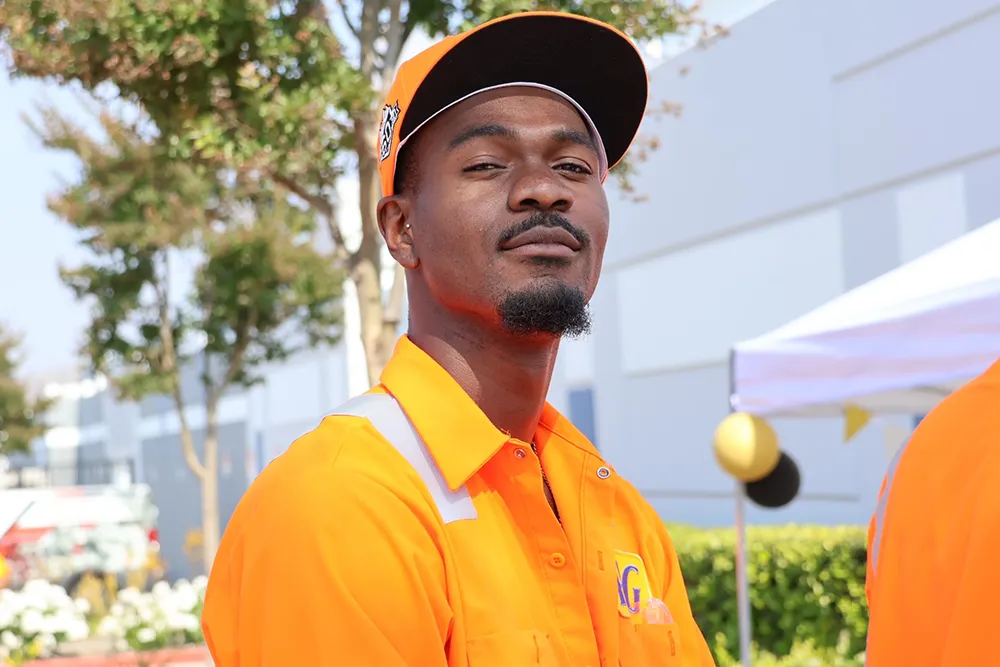
He decided to make the trip — not knowing it would be the last birthday they would celebrate together.
“The day was so fun and full of good vibes,” Donovan shared. “It was a day to remember.”
Just 10 days later, Justin died.
The loss of his childhood friend was devastating, and Donovan found the days that followed hard to get through. Donovan remembers Justin as someone who was funny and friendly and could put a smile on anyone's face. He was a great brother, son, nephew, uncle and fishing partner.
“Losing a family member or friend can be life changing,” Donovan said. “It can even be hard to stay motivated knowing that someone you would share your wins with is no longer here.”
His leader encouraged him to take bereavement time and step away from work, giving him the space he needed to process the loss. That time, along with the care and understanding of his team, helped Donovan regain his footing. It also reinforced the importance of checking in with co-workers, even when things seem fine.
Today, Donovan shares his story to help others feel less alone and to keep the memory of his friend alive. It’s part of his commitment to living a life with “purpose, hope and positivity.”
“Life can feel overwhelming at times,” he said. “But you are not alone. There is always hope, and better days are ahead.”
Building Resilience, One Slow Step at a Time
Stu, Sales Team Leader, U.K.
Stu had always been someone who showed up strong. In more than a decade at P&G, he had never even needed a sick day.
That changed in 2021 when he began experiencing long-COVID symptoms, which eventually forced him to step away from work for an extended period.
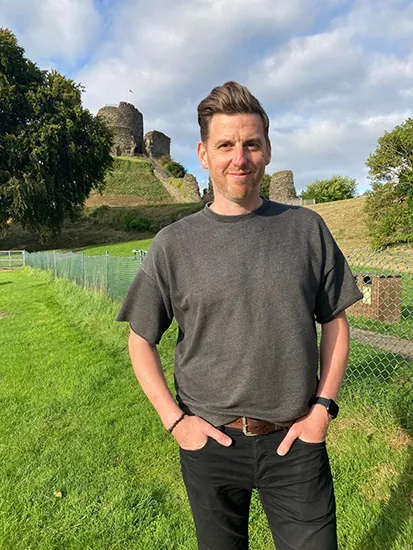
As the Company and his team encouraged him to stay focused on recovery, Stu began rebuilding his energy. He worked with a range of specialists and made significant changes and sacrifices. He adjusted his diet, removed stressors and limited physical activity, even time spent with his children. Recovery moved at an agonizingly slow pace.
His hard work paid off and his energy finally returned. The experience led to lasting lifestyle changes that improved his physical health — and built a type of resilience he will take with him for life.
“I felt like I’d been through this very, very significant life experience,” he said. “I wanted to share what I’d learned.”
When he returned to work, Stu started by sharing with his team, eventually developing a program focused on wellbeing and peak performance. As interest grew, he earned a certification and expanded the program beyond his team.
Recent topics have included handling priorities, setting boundaries and, crucially, establishing healthy habits for peak performance.
“We don’t decide our future,” Stu said. “We decide our habits, and our habits decide our future.”
Asking When Something Seems ‘Off’
Aline, Quality Assurance Regional Director, Latin America
Aline noticed the change before anything was said.
A once high-performing team member had grown quieter. Their easy conversations had faded. The energy felt different. Even through a computer screen, she could tell something wasn’t right.

“I noticed that things he used to do very fast and very easily were not the case anymore,” she said. She wasn’t sure what was wrong.
So she asked.
In a one-on-one conversation, she shared her observations with empathy. He opened up about depression linked to several life transitions, including an upcoming retirement, a child leaving home and broader changes to his routine.
Together, they made a plan. They talked through the support that could help, from connecting with a psychologist to adjusting his schedule so he could focus on his health. They shifted responsibilities so he could step back from nonessential work. He scheduled some time off. Just as important, they stayed connected and continued checking in regularly.
“I said, let’s work together,” Aline explained. “We defined what could help him, from flexibility to taking time for himself.”
Over time, things began to change.
He returned from time off with renewed energy. He re-engaged with his work and his team. Eventually, he told Aline something she still carries with her: He felt he was in the best moment of his career.
“I feel super proud,” she said. “If I can touch one person, just one, it makes my day.”
Today, that impact continues to grow.
The employee now helps lead open, informal “coffee talks” across the organization. What started as one conversation has expanded into something broader, helping normalize these discussions and making it easier for others to speak up.
For Aline, the lesson is clear.
“If we don’t have mental wellbeing, we may not have anything else,” she said. And often it begins with noticing, asking and being willing to listen.
Most people carry something. When support is part of the culture, no one has to carry it alone.
READ MORE STORIES ON OUR BLOG

4/9/2026
Unlocking Peak Performance: How P&G Prioritizes Total Employee Wellbeing
How P&G supports the physical, mental, financial and work-life wellbeing of employees throughout their career journeys.
Read more

3/30/2026
P&G Earns Platinum Status on ‘Where You Work Matters’ List
P&G was one of just 22 companies to receive top marks in the three categories of early career hiring, career growth and job stability.
Read more